Why I’m Starting This (And Why You Should Care)
The best time to start this blog was probably six months ago. Maybe a year. But I’m starting it now, and here’s why that matters more than the timing.
The Gap I’m Living In
I work in bizops at a big tech company. On paper, I’m “in tech.” In practice, I’m watching technology happen from behind several layers of process, compliance reviews, and enterprise software that’s always one version behind.
My company has a RAG-enabled ChatGPT. It’s 4.5, not 5.0. By the time we get a tool approved and rolled out internally, the world has moved on to the next thing. I read about breakthrough AI capabilities on Twitter in the morning, then spend my afternoon in meetings about Q3 planning cycles.
Before this, I worked at B2C startups. You’d think startups would be different—closer to the bleeding edge, more willing to experiment. But here’s the thing about startup operations: you’re too busy keeping the wheels on to explore new tools. The daily firefighting doesn’t leave much room for “let me spend three days testing if this AI workflow actually saves time.”
Q3 planning sessions still run on Excel and endless ‘alignment’ meetings that really could have been succinct emails with clear analysis. Exploring how to make things more efficient with AI takes time and experimentation. It’s a luxury you don’t have when you’re in the weeds of execution.
So whether it was the startup or big tech, I’ve been adjacent to cutting-edge technology without actually getting to use it. This gap—between what’s possible and what I actually get to touch—is maddening. And I think I’m not alone in it.
Why This Blog Exists
First: I need a public memory. The velocity of information in AI and startups right now is overwhelming. New models drop weekly. Funding announcements blur together. “Best practices” from three months ago are already outdated. Writing things down is how I’m going to keep up, and doing it publicly means I can’t bullshit myself about what I actually understand.
Second: I’m learning by building. Reading about AI tools is one thing. Actually trying to build something—even something small and probably broken—teaches you what the tech can and can’t do. I’m a non-technical person learning to be more technical, one failed API call at a time. This blog is documentation of that process.
Third: The view from the margins is actually useful. Most startup/VC content comes from founders or investors—people in the arena. I’m writing from the sidelines. I see how big tech moves (slowly). I see what tools actually get used versus what gets hyped. I see the gap between “AI will change everything” and “our legal team won’t approve Claude because of data privacy concerns.”
That marginal perspective? It might be more representative of reality than the main stage.
What You’ll Find Here
This blog has three threads:
Trials and errors in building. I’m going to try out different AI tools, attempt to build my own apps, and document what works and what breaks. I’m learning to code through necessity and YouTube tutorials. Some of this will be embarrassing. That’s the point.
Observations from the industry. I’ll share what I’m seeing in tech—comparing the documented trends (funding patterns, adoption curves, narrative shifts) with what things actually look like in practice. Not as a guru, but as someone trying to draw a map while walking the territory.
Lessons from working in tech. What I’m learning from being inside a big company while watching the startup world from afar. The patterns that show up. The assumptions that don’t hold. The parts that never make it into the press releases.
What This Isn’t
I don’t have it figured out. I’m not going to pretend I understand everything about transformers or venture economics or product-market fit. When I’m uncertain, I’ll say so. When I’m wrong (which will happen), I’ll update my thinking.
These are strong opinions, loosely held. The point isn’t to be right—it’s to think clearly, document the journey, and see what patterns emerge.
I’m hoping this becomes a conversation, not a broadcast. If you’re also figuring this stuff out, if you’re adjacent to the tech world but not quite in it, if you’re learning in public too—let’s compare notes.
Starting From Where I Am
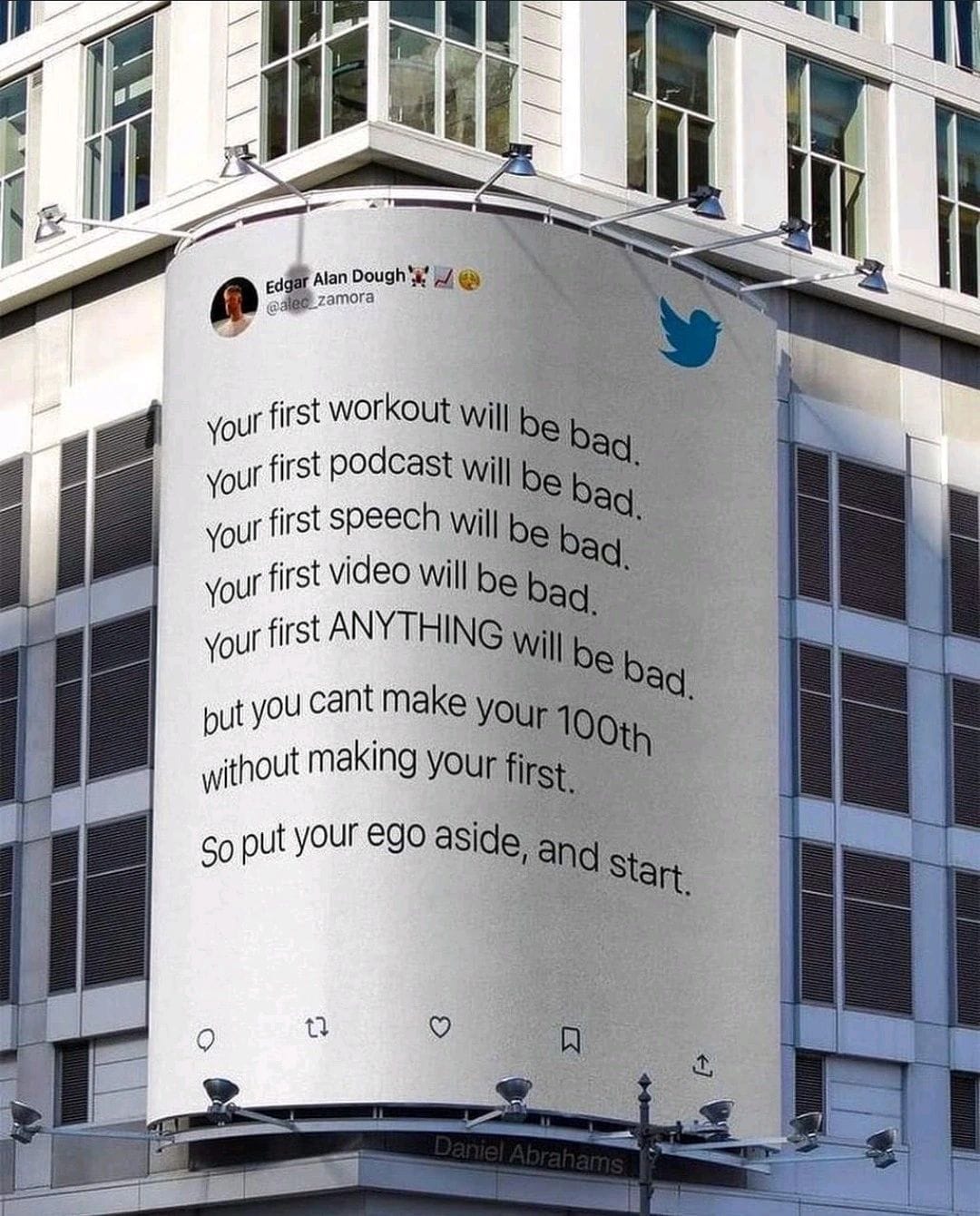
The meta-joke of starting a Substack called “Marginal Iterations” is that this first post is itself a marginal iteration. Version 0.1. Ship and iterate, right?
I don’t know exactly what this blog will become. But I know waiting until I “know enough” is just another form of staying on the sidelines. The best time to start was yesterday. The second best time is now.
So here we are—someone from the margins starting to pay closer attention.
I’m not a founder or an investor. I’m not a developer or an ML engineer. I’m in operations, watching the tech world from the inside but rarely at the center of where things happen. I’ve been in startups that were too busy to experiment and big companies too slow to move fast. I have a non-technical background learning to be more technical because I have to, not because I studied it.
That’s the margin I’m writing from. Not the main stage where the pitch decks and product launches happen, but the sidelines where most people in tech actually live—close enough to see what’s happening, far enough that we have to figure it out on our own.
Let’s see what that perspective surfaces.
Welcome to Marginal Iterations. I’m learning in public. You’re invited to watch, critique, and share what you’re learning too. Subscribe and please share with others. Let’s get started.